
Read the receiving note
The first useful question is not how much arrived, but whether the delivery matches what the store expected.
Frivi field notes
Stories about shelves, handoffs, local judgment and the people-shaped details that make neighborhood retail useful.
Published stories come from the Frivi OneHub collection. Separate editorial features on this page are clearly labeled and do not claim to be customer testimonials.

Browse the desk
Published through OneHub
This grid requests up to nine published entries from the stories collection in the selected language. It never inserts sample articles when the service is empty or unavailable.
This is a real empty state. New entries will appear here when they are published to the Frivi stories collection.
An editorial day in store
Editorial scene, not a customer account or testimonial.
This composite scene describes the kind of work Frivi is designed to support. It is not attributed to a particular store, operator or franchisee.
A useful retail system has to respect the sequence of the day: what arrived, what changed, what a shopper can really order and what needs a human decision.
The first useful question is not how much arrived, but whether the delivery matches what the store expected.
A screen can organize information, while a physical check catches the gap between a record and the room.
An online request becomes local work: identify the goods, check them and keep any change visible.
One unusual moment may need a response. The same issue repeating needs an operating change.

The visible work
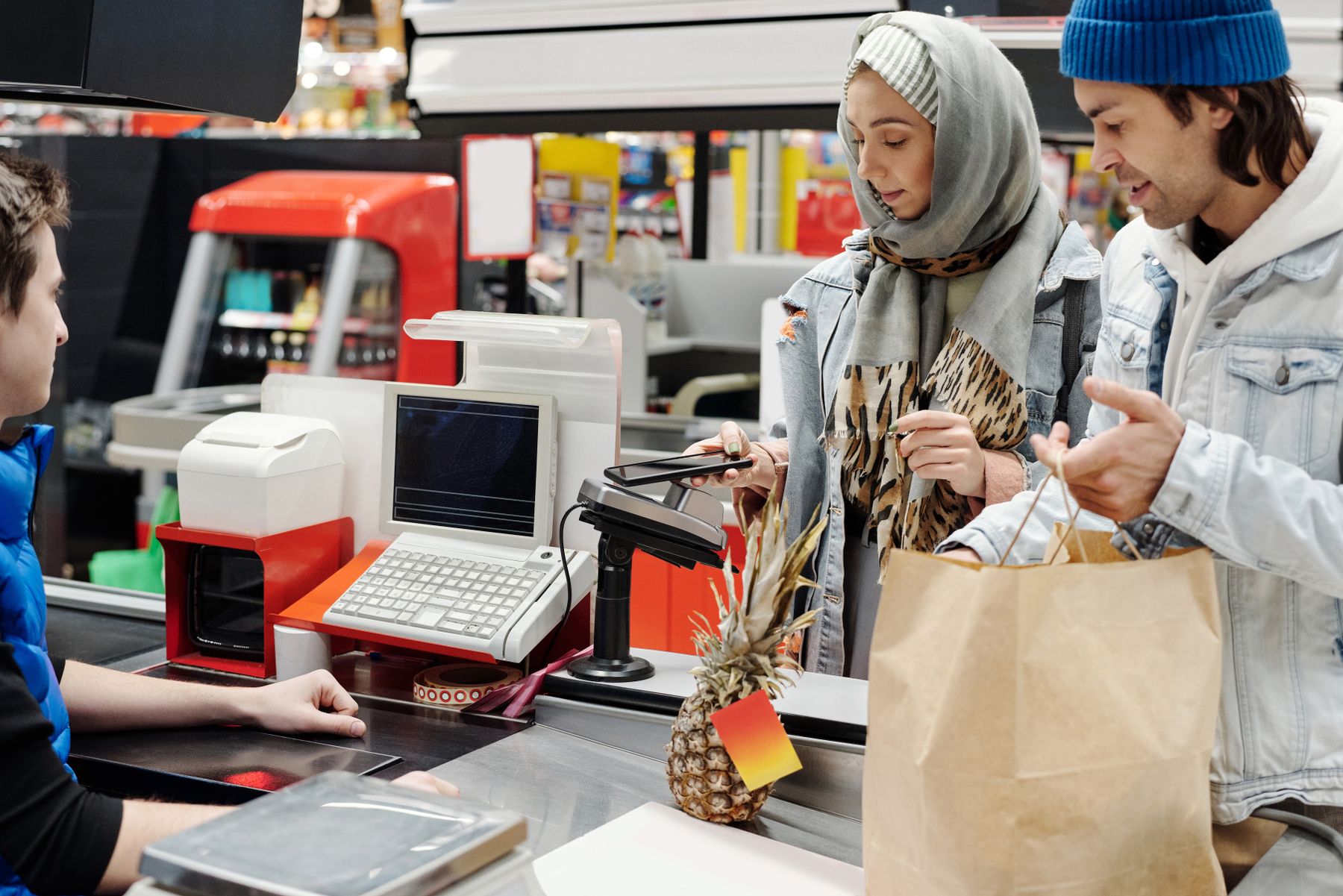
These images illustrate retail activities and service contexts. They do not document verified Frivi customer outcomes.


Themes we keep examining
The Frivi desk focuses on operating choices and ordinary service moments, not unsupported performance claims.
Neighborhood context changes which services feel useful, which handoffs work and what belongs close at hand.
The best operating improvements often begin with a small action that happens many times a week.
Availability, responsibility and the next step matter more than a polished but vague promise.
A useful record can turn recurring friction into a specific adjustment without hiding the original problem.
Editorial principles
Published material should help a shopper or prospective partner understand the work without blurring brand perspective, reported experience and verified fact.
Editorial scenes, platform updates and partner accounts should be labeled so readers know what they are reading.
An unavailable content service stays unavailable. Placeholder praise and invented operating data do not replace evidence.
People, locations and operational details should appear only with a clear reason and appropriate permission.
Questions, corrections and story ideas need a direct contact path rather than a dead end.
Contribute to the desk
Send the context to Friesville LLC. Submission does not guarantee publication, and we will confirm scope and permission before presenting another person's experience.