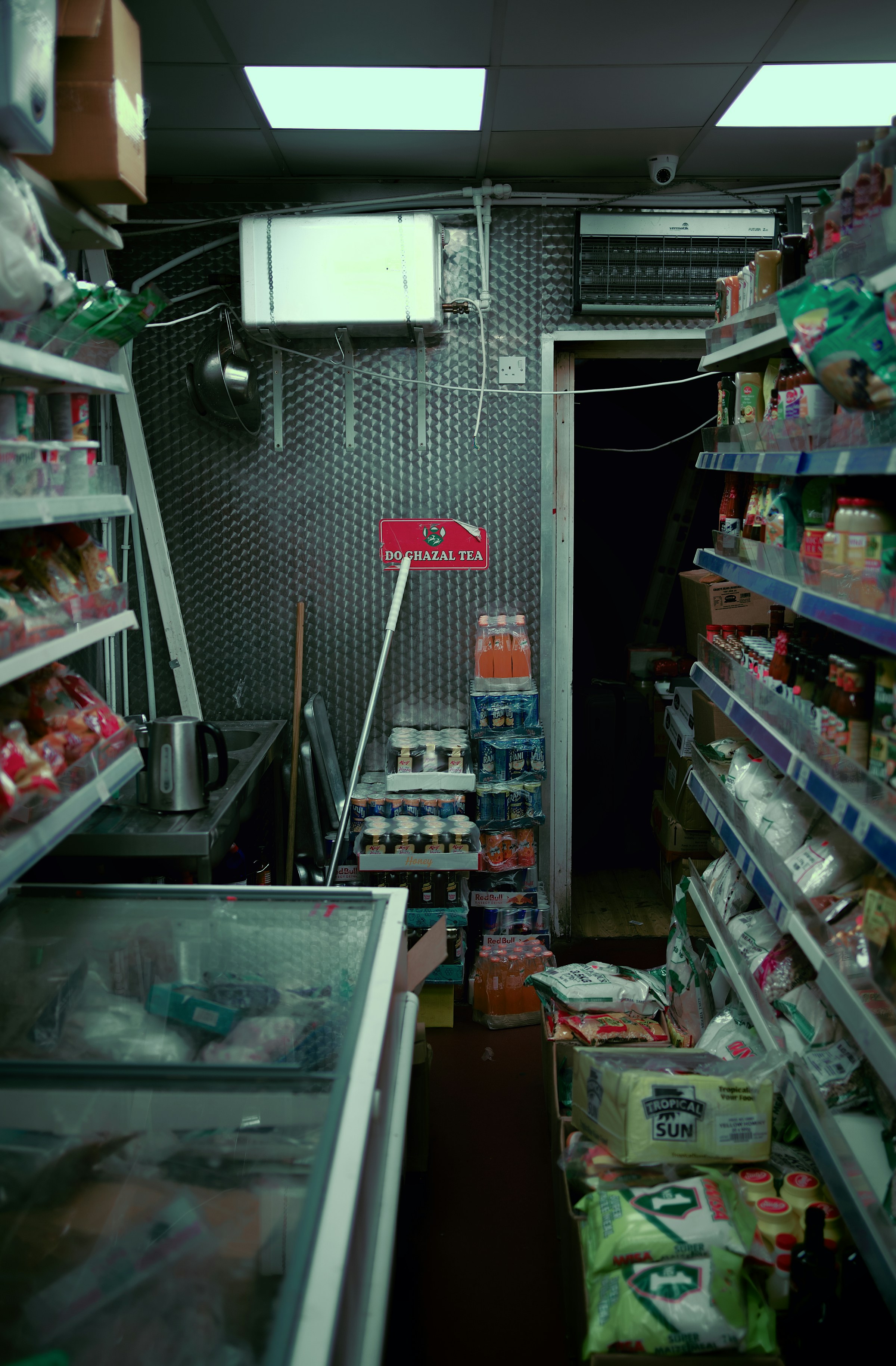
Shelves stocked with everyday products inside a neighborhood convenience store

Friesville LLC

Frivi

A retail franchise service station

We are designing a more useful connection between everyday shopping, digital convenience and the people who keep neighborhood retail moving.

Local shelves. Digital reach. Practical support.

01

Our mission

Make useful retail easier to reach, and independent retail easier to run.

Frivi begins with a simple belief: convenience should not require removing the local store from the picture. Digital tools can make products easier to find and orders easier to coordinate while the judgment, familiarity and accountability of a neighborhood operator remain close at hand.

Friesville LLC is building Frivi around that relationship. The aim is a service-station model where shoppers can handle ordinary needs with less friction and retail partners can approach assortment, order flow and recurring store work with clearer support.

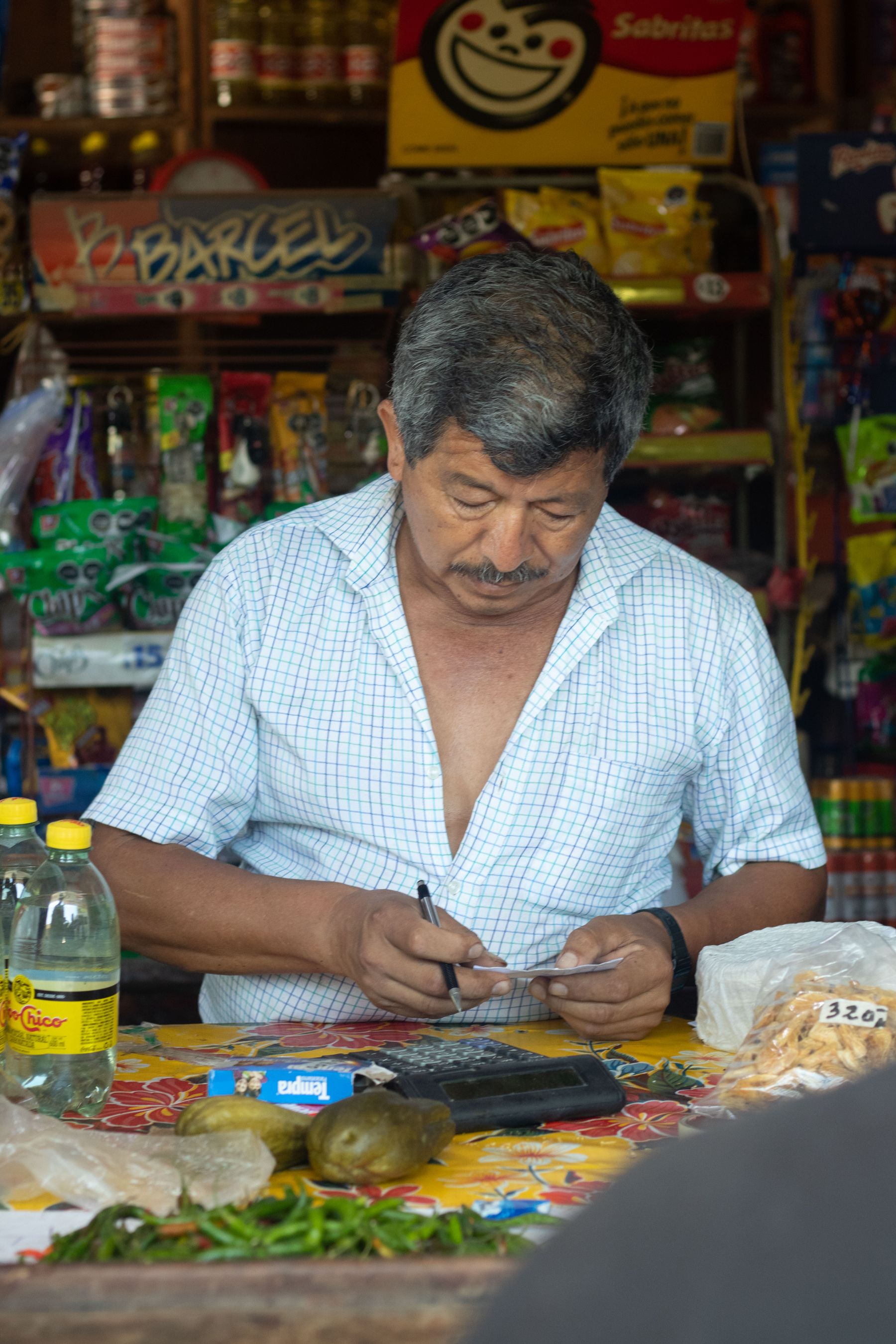
A neighborhood shopkeeper reviewing the day's records behind the counter

Editorial image representing the independent retail context; the person pictured is not identified as a Frivi partner.

The work in front of us

Neighborhood retail carries real value and real pressure.

Independent stores operate close to their customers, but closeness alone does not solve the fragmented systems and rising expectations surrounding everyday commerce. Frivi's response starts with the work as it is, then looks for practical ways to connect it.

01

Customers move between screens and streets.

People expect to discover products quickly, understand availability and choose a handoff that fits the day. A disconnected journey turns simple errands into extra work.

Our response: connect digital discovery to a clear, locally fulfilled next step.

02

Store work is made of repeating details.

Receiving, stocking, preparing an order and answering a question are ordinary tasks, but they depend on information arriving at the right moment and in a usable form.

Our response: design repeatable operating support around the actual rhythm of a store.

03

A neighborhood is not a generic market.

Needs vary by street, routine and local context. A model that ignores that knowledge can create more inventory, more interfaces and less relevance.

Our response: keep local judgment in the loop while making shared services easier to use.

A stage-based path

Build the relationship before scaling the system.

Frivi's path is organized by learning and readiness, not by invented launch dates or public milestones. Each stage should make the next one more grounded.

01

Listen

Start with the ordinary day.

Understand what shoppers try to accomplish and where store operators lose time, clarity or control.
02

Shape

Turn needs into a workable offer.

Define useful assortment, service boundaries and operating responsibilities in language people can act on.
03

Connect

Join the digital and local handoff.

Bring discovery, account access, requests and store follow-through into one legible service path.
04

Learn

Improve from real use.

Review questions, missed expectations and repeat behavior before deciding what deserves to expand.

These are operating stages, not a claim that every location or capability is already available.

How we intend to operate

Five principles for decisions large and small.

The Frivi model is still judged in ordinary interactions: what a shopper can understand, what an operator can manage and what happens when the expected path changes.

01

Useful before novel

A feature earns its place by helping someone complete a real retail task, not by making the system look more complicated.

Begin with the job to be done and remove steps that do not serve it.
02

Local judgment stays local

Shared tools should strengthen the operator's understanding of the area rather than flatten every neighborhood into the same assumptions.

Leave room for context, questions and responsible human decisions.
03

Clarity is part of service

Prices, availability, responsibilities and next steps should be understandable before a shopper or prospective partner commits.

Use direct language and show the state of a request without hiding uncertainty.
04

Exceptions deserve a path

Retail does not always follow the ideal flow. Out-of-stock items, late handoffs and unanswered questions need visible ways forward.

Design empty, delayed and error states as carefully as the happy path.
05

Growth must earn trust

A broader network only matters if the experience remains accountable to the people shopping and operating locally.

Prefer repeat value and clear feedback over unsupported claims of scale.

The two-sided model

A network works when value travels both ways.

Frivi is designed as a shared service layer between everyday demand and local retail capability. Neither side is treated as background infrastructure for the other.

Everyday demand

Shoppers bring needs and choices

  • Clear product and service discovery
  • A handoff suited to the day's routine
  • Questions that reveal what needs improvement

Shared service layer

Frivi connects the exchange

  • Catalog and availability context
  • Order and service coordination
  • Consistent account and support paths

Local capability

Retail partners bring context and care

  • Knowledge of neighborhood routines
  • On-the-ground preparation and handoff
  • A human point of accountability

The goal is not to replace either side. It is to make the exchange between them easier to understand and support.

Standards we design toward

Quality, privacy and access belong in the operating model.

These commitments guide how Frivi presents information and shapes its service paths. They require continued review as the platform and network develop.

Quality

Make the handoff legible.

Product information, service expectations and responsibility should remain clear from discovery through follow-through, including when something is unavailable or delayed.See how the service works

Privacy

Collect with a stated purpose.

Account, inquiry and order information should be requested for understandable reasons, handled with care and supported by choices people can find.Read the privacy policy

Accessibility

Design for more ways to participate.

Readable language, keyboard access, responsive layouts and bilingual navigation are treated as parts of useful service, with a direct channel for reporting barriers.Tell us about a barrier

These are commitments to ongoing practice, not claims of certification or perfection.

An independent shop owner using a tablet outside her storefront
A shopper reaching for a product in a grocery aisle

These editorial photographs illustrate the wider retail communities Frivi is designed to serve. They do not identify employees, founders, customers or franchisees of Friesville LLC.

Who we build for

People with a real task, not an abstract user profile.

The Frivi experience is shaped around people navigating ordinary retail moments and deciding whether a connected local model fits their needs.

For the weekly routine

Shoppers balancing errands with the rest of life

People who want useful products, understandable availability and a dependable next step without turning a simple purchase into a project.

For the local counter

Independent operators who know their area

Retailers who value local relationships and are evaluating where shared digital, assortment or operating support could reduce friction.

For a considered next step

Prospective partners exploring fit

People and organizations asking practical questions about responsibilities, readiness and how a Frivi service station could serve a particular community.

Continue the conversation

Start with the question in front of you.

Whether you are evaluating the model or simply need a clear answer, choose the route that matches the conversation.